


概要: 洗濯機の価格が変動しやすい理由
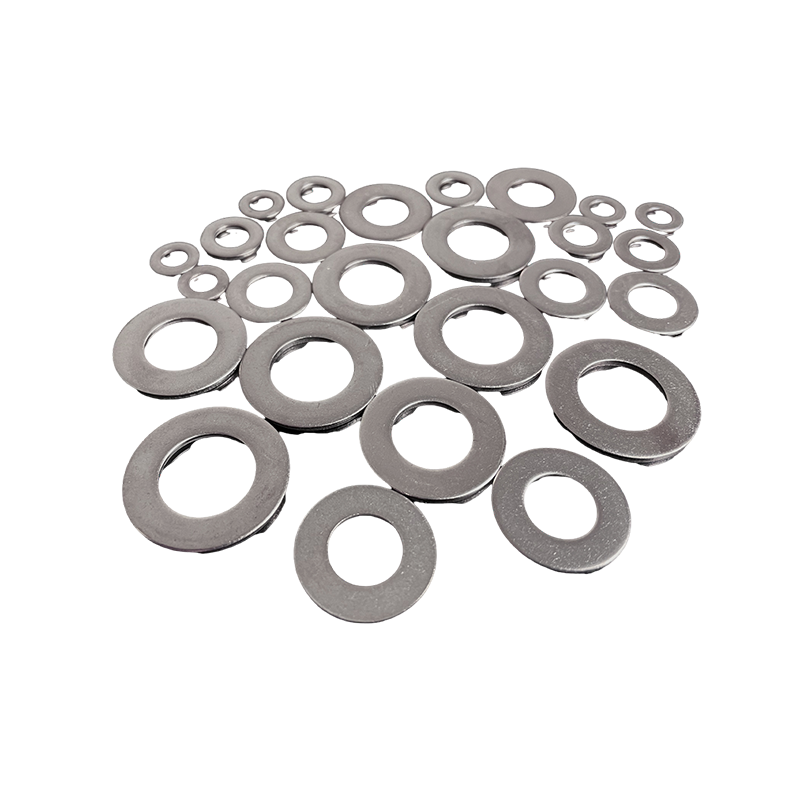
ステンレスワッシャー are a low-margin, high-volume commodity whose price is determined not just by sheet or coil prices but by an interplay of feedstock costs, regional mill margins, freight and lead-time risk, and demand from construction, automotive and industrial OEMs. Recent years have shown that even modest moves in nickel, ferrochrome or scrap can transmit rapidly into washer quotes because thin-gauge processing and precision stamping add discrete unit costs that suppliers pass on quickly. This article breaks the main drivers into practical categories and ends with sourcing and inventory tactics for purchasers and suppliers. :contentReference[oaicite:0]{index=0}
原材料の基礎: ニッケル、クロム、スクラップ
The most direct input to austenitic stainless (e.g., 304/316) is nickel and chromium content. Nickel price swings influence 300-series mills' raw-cost; ferrochrome affects 200/400-series grades and alloy premiums. When nickel or ferrochrome spikes, mills raise coil prices and service centers widen spreads. Conversely, weak stainless demand in a regional market (for example a slowdown in construction) can lead to exporters discounting inventory — causing short-term price drops followed by tightness when inventories deplete. :contentReference[oaicite:1]{index=1}
購入者が注目すべき点
Track LME nickel and ferrochrome indices, stainless scrap prices, and regional mill premiums. For contract negotiations, index-link clauses tied to nickel or scrap are common; buyers without index protection risk abrupt increases. :contentReference[oaicite:2]{index=2}
物流、輸送、リードタイムのリスク
Freight volatility and port congestion amplify price moves for commoditized parts like washers. Higher container rates or reduced sailings increase landed cost per kilogram, while longer lead times raise working-capital and safety-stock expenses. The impact is greatest for smaller buyers who cannot aggregate shipments: the per-unit freight share is higher and sudden rate spikes are harder to absorb. Recent UNCTAD and market analyses show that container costs and geopolitical routing issues have kept freight costs structurally above pre-crisis levels, which continues to transmit into import-dependent fastener prices. :contentReference[oaicite:3]{index=3}
物流上のリスクを軽減するための運用レバー
- 可能であれば注文書をフルコンテナ積載 (FCL) に統合して、単位あたりの運賃を削減します。
- 国内工場と近隣の地域工場との間の二重調達を使用して、リードタイムのリスクを回避します。
- 長期契約で貨物割り当て条項を交渉したり、低料金月に貨物輸送能力を買い取ったりできます。
貿易政策、関税、地域化
Trade measures and shifting sourcing strategies have become pronounced price drivers. Tariffs or antidumping duties push buyers toward local mills or alternate origins, where supply tightness may support higher prices even if global raw-material costs fall. In some markets, post-tariff reshoring has allowed domestic mills to secure higher blended margins, which feeds through into distributor and component prices. Buyers exposed to duty risk should explicitly model landed cost including potential tariff scenarios. :contentReference[oaicite:4]{index=4}
洗濯機の需要サイクルと在庫動態
Washers follow larger cyclical end-markets: construction, automotive, heavy equipment, electronics, and renewables. A surge in infrastructure spending or EV production raises demand for corrosion-resistant hardware; conversely, a slowdown in construction reduces stainless consumption. Because washers are produced in high volumes and small pack sizes, distributors often carry lower days-of-inventory relative to coils. That makes prices sensitive to sudden order uplifts or distributor stock-outs — situations where lead-time premiums appear quickly. Industry forecasts project steady growth in fasteners overall, but regional timing varies and creates transient tightness. :contentReference[oaicite:5]{index=5}
在庫戦略
- 重要性とリードタイムによって SKU を分類します。リードの長い特殊グレードについては、より多くの安全在庫を確保します。
- 供給の変動をスムーズにするために、ベンダー管理の在庫 (VMI) を高速 SKU に使用します。
- 可能な場合は、契約上の価格帯に関連付けられた 90 ~ 180 日のローリング予測を実装します。
簡易原価内訳表(例)
| コンポーネント | 例 陸揚げ単価の割合 |
| 原材料(コイル・シート) | 55% |
| 加工・プレス加工 | 20% |
| パッケージング、テスト、QA | 5% |
| 貨物と関税 | 10% |
| 代理店マージンと在庫コスト | 10% |
実践的な調達戦略
Buyers and suppliers that survived recent cycles typically combine several actions: contract indexation to raw-materials, multi-sourcing with regional partners, flexible order batching, and active freight management. For engineered washers or plated/treated parts, move to make-to-order where possible to avoid inventory obsolescence. For commodity washers, lock in price bands for 3–6 months while allowing quarterly renegotiations tied to nickel/scrap. Suppliers should publish simple lead-time and surcharge schedules to reduce disputes. :contentReference[oaicite:6]{index=6}
結論: 周期的な変動を予測し、データで管理する
世界的なサプライチェーンの変化により、ステンレス洗濯機の価格は原材料指数、物流コスト、地域政策の変化に応じて変動し続けることになります。最も効果的な対応は運用面での対応です。SKU の細分化の改善、原材料のリスクを透過的に共有する条件付き契約、輸送戦略、ニッケル、フェロクロム、スクラップ市場の積極的な監視です。

 江蘇省台州市興化市大南町荘新路第2橋
  +86-17315333748(Wechat)
 +86-17315333748(Wechat/Whatsapp)

